
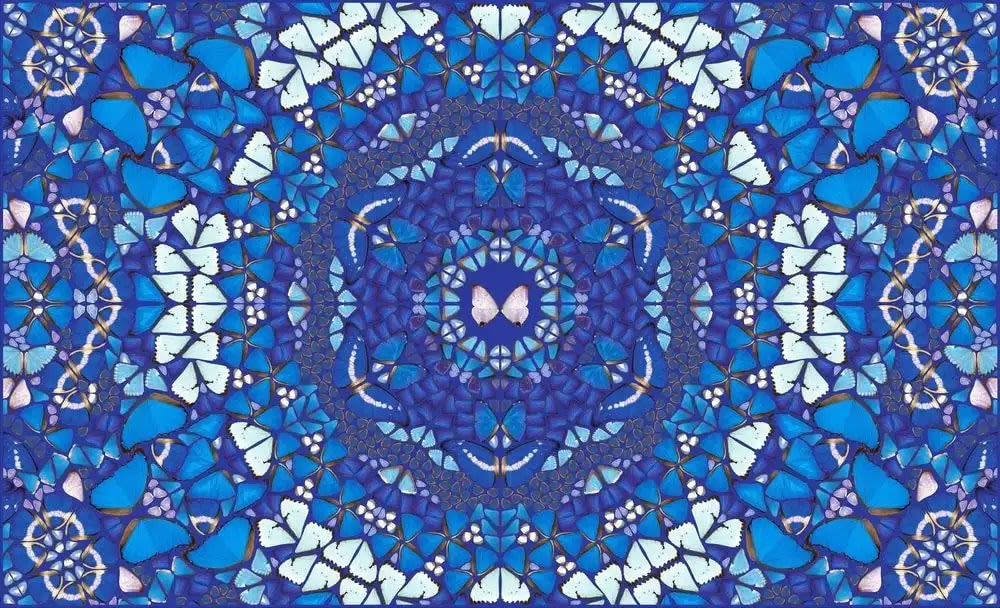
Contemporary print descriptions often use the terms pigment print, archival pigment print, giclée and digital print. They overlap, but they do not always communicate the same degree of technical detail. For collectors, the crucial point is to look beyond a single label and understand the complete specification of the edition.
What is a pigment print?
A pigment print is produced by a digital inkjet process using pigment-based inks. Unlike dye-based inks, the colour is carried by extremely fine solid particles. High-quality pigment printing can produce exceptional tonal range, detail and stability, particularly when combined with carefully selected fine-art papers.
The phrase “archival pigment print” is widely used to signal professional materials and intended longevity. However, “archival” is not a single universal certification. Paper, ink set, storage, framing and exposure to light all influence how a work ages.
What does giclée mean?
Giclée is a commercial term derived from the French verb meaning “to spray.” In the art market it usually refers to high-quality inkjet printing. It does not, by itself, specify a particular printer, ink, paper, edition size or level of artist involvement.
A useful listing therefore provides more information: the support, dimensions, edition, signature and—in some cases—the printer or publisher. Damien Hirst’s H18-4 Chameleon (The Kaleidoscopes), for instance, is described as a giclée print mounted on aluminium composite panel. The mounting method is part of the physical identity of the work, not an incidental framing choice.
Is a digital print an original artwork?
“Digital print” describes a production method, not a hierarchy of originality. An image created specifically as an edition can be an original print even though it was printed digitally. A digital reproduction of an existing painting is a different proposition. The wording should explain whether the edition is an autonomous work, a reproduction, or an image developed through a wider digital practice.
David Hockney’s recent editions demonstrate the close relationship between digital drawing and print. Works such as 23rd March 2021, Flowers in a Milk Bottle begin with an iPad image and culminate in a carefully specified edition on paper.
What should collectors look for?
- The precise printing process, rather than “print” alone.
- The paper or support and any mounting system.
- Whether the work is signed, numbered or accompanied by a certificate.
- The size of the principal edition and any proofs.
- The artist’s role in creating and approving the image.
- Condition, especially abrasions, handling marks and fading.
Terminology is most useful when it is specific. A clear description allows the buyer to understand what the object is, how it was made and how it should be cared for. Read this alongside our broader guide to limited-edition print descriptions.
Explore: View Damien Hirst works and David Hockney editions currently available through Dovehouse Contemporary.

Leave a comment
This site is protected by hCaptcha and the hCaptcha Privacy Policy and Terms of Service apply.